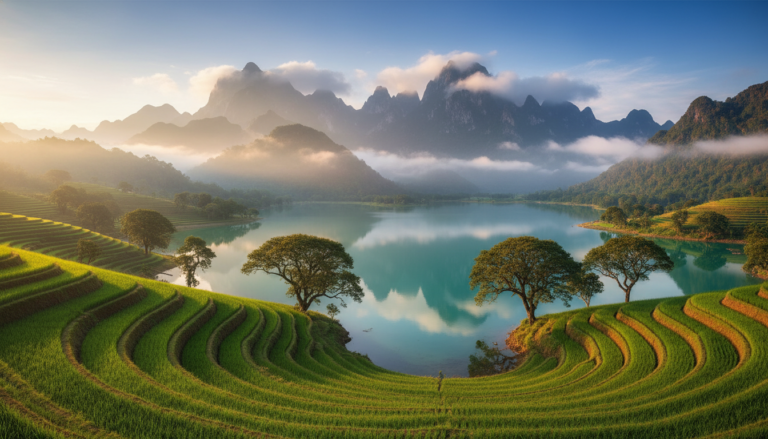

The Ultimate Guide to Exploring Underrated Asia in 2026: Beyond the Tourist Trails
Did you know over 80% of visitors go to just five major cities in Asia? These spots are well-known, but they don’t show the true heart of the region. By sticking to the same places, you miss out on a lot.
Asia is a mix of modern skyscrapers and old, quiet alleys. Exploring underrated travel destinations in asia lets you find real moments that most people don’t see.
Every traveler deserves a journey that feels personal and deep. Whether you’re looking for hidden beaches or mountain temples, our list helps you avoid the crowds at any top 10 tourist destination in asia.
We’ve put together a guide to the best places to go in asia in 2026 for you. Get ready to pack your bags for an unforgettable and meaningful adventure.
How to Identify Underrated Travel Destinations in Asia
Finding underrated travel destinations in Asia is a fun challenge. The most visited places in Asia are lovely but crowded and pricey. By exploring off the beaten path, you can find real, authentic experiences.
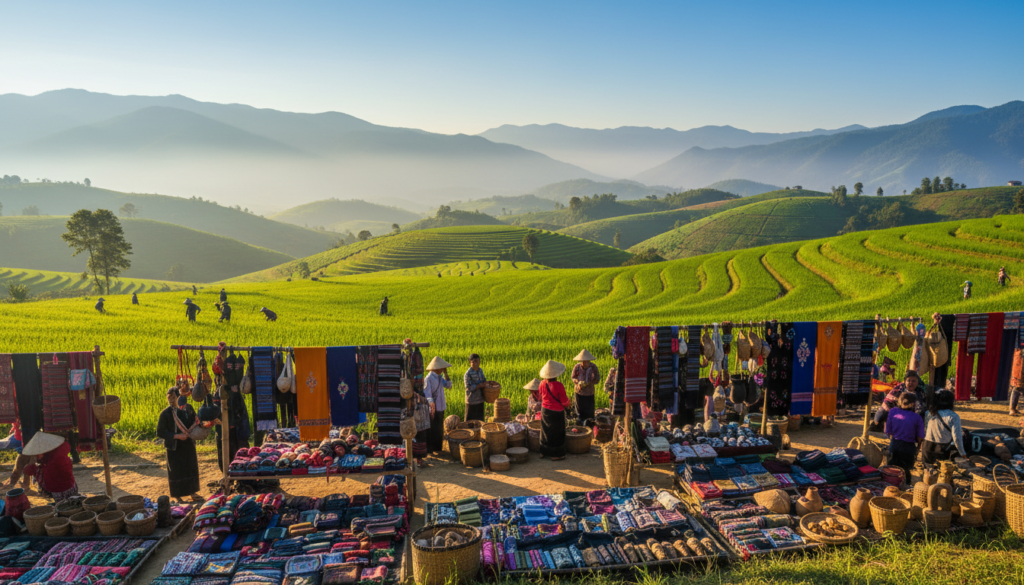
Researching Beyond the Popular Tourist Trails
To find true gems, look beyond the usual travel guides. Explore areas with rich history that aren’t well-known. For instance, Erbil offers a 6,000-year-old Citadel that’s often missed by tourists.
These places give you a closer look at local life. Focus on areas with:
- Historical sites before modern tourism.
- Remote provinces with unique crafts.
- Natural landscapes untouched by mass development.
Utilizing Local Blogs and Niche Travel Forums
Local blogs and forums offer great advice. They’re written by people who live there or have spent a lot of time. These sources share real insights into daily life.
Niche forums are also great for insider tips. You can ask about transport, safety, and secret spots. Talking with these groups helps you plan a more genuine trip.
Checking Seasonal Weather and Cultural Calendars
Timing is key to avoid tourist crowds. Always check the cultural calendars of your destination. Visiting during a local festival can turn a quiet place into a lively celebration.
Also, watch the weather to ensure a comfortable trip. Traveling in the shoulder season lets you see breathtaking sights without the crowds. This way, you learn more about the area’s culture and have a peaceful journey.
Planning Your Off-the-Beaten-Path Asian Adventure
Going on a trip to off-the-beaten-path Asian destinations needs good planning. The beauty of untouched places is great, but traveling to these areas has its own challenges. Proper planning makes your trip exciting, not stressful.
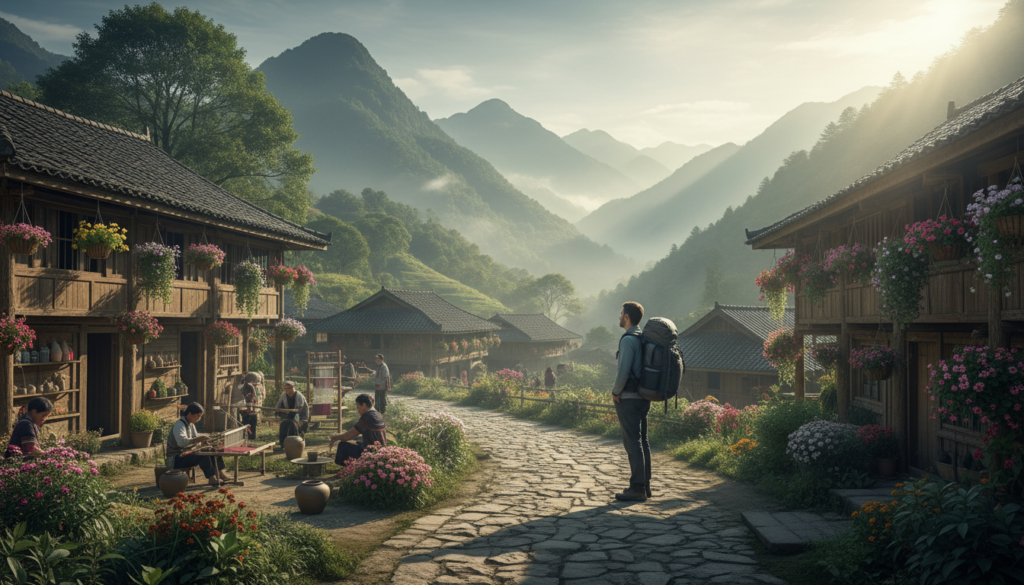
Setting a Realistic Budget for Remote Locations
Exploring lesser-known places to visit in Asia can be pricey. Remote areas have higher costs for transport and supplies. Always set a buffer in your budget for unexpected costs like private transfers or limited places to stay.
Navigating Visa Requirements for Lesser-Known Countries
Visa rules for small or isolated countries can be tricky and change often. Check the latest visa policies on official government websites before you go. Staying informed about visa rules helps avoid travel problems at the border.
Securing Reliable Transportation in Rural Areas
Getting to remote spots often means using different transport, like local buses or private cars. It’s essential to book your transport ahead to travel safely. For example, in places like Labuan Bajo, knowing how to get around is key for a smooth trip. Plan your travel early so you can enjoy the beauty of these lesser-known places to visit in Asia without stress.
Essential Gear for Exploring Undiscovered Asian Travel Spots
When you explore the unknown, your gear is your best friend. Whether trekking mountains or exploring quiet villages, the right equipment keeps you comfortable. It lets you enjoy the beauty of undiscovered asian travel spots without worrying about your supplies.
Packing for Diverse Climates and Terrains
Asia has many climates and terrains, from jungles to high-altitude plateaus. Choose versatile, moisture-wicking clothing that layers well. This way, you can adjust to weather changes without a heavy suitcase.
Good, sturdy shoes are essential for uneven paths and trails. Also, pack a lightweight rain shell for sudden rain in remote places.
Must-Have Technology for Off-the-Grid Travel
When visiting off-the-grid asian travel destinations, reliable connectivity is rare. Bring a high-capacity portable power bank to keep devices charged. This tool is a lifesaver when you’re far from power outlets.
Download offline maps and translation apps before you go. These digital tools help you navigate without a signal. Technology should enhance your adventure, not stress you out.
Health and Safety Kits for Remote Regions
In remote areas, medical help might be hours away. Carry a detailed first-aid kit with bandages, antiseptic wipes, and pain relief. Also, pack personal prescriptions in their original packaging.
Include a water purification system in your kit for clean drinking water. Staying healthy is key to enjoying off-the-grid asian travel destinations. Being prepared with safety gear lets you explore undiscovered asian travel spots confidently.
Cultural Etiquette for Asia’s Best-Kept Travel Secrets
When you explore asia’s best-kept travel secrets, how you act is as important as where you go. Being considerate helps keep these special places safe for others to enjoy. Cultural sensitivity helps you connect deeply with the people you meet.
Respecting Local Traditions and Religious Sites
Many hidden spots have sacred areas that are centuries old. For example, in Patan, Nepal, walk around stupas in a clockwise direction. Always ask before taking pictures of shrines. Showing respect is more than just being polite; it’s a big part of their lives.
- Remove your shoes before entering temples or private homes.
- Keep your voice low and avoid disruptive behavior near prayer sites.
- Always seek consent from locals before capturing their image.
Learning Basic Phrases in Local Dialects
You don’t need to speak fluently to make a difference. Just a few words in the local language shows you care about their culture. This small act can lead to real connections you might not find elsewhere.
Speaking a few words of the local language shows genuine interest in the community. People are more likely to share their stories and secrets with you. It makes your visit more than just a trip; it becomes a memorable experience.
Understanding Social Norms and Dress Codes
Every place has its own set of social rules. It’s important to know these before you go, like when attending festivals like the Rato Machindranath Jatra. Dressing modestly is a sign of respect in many Asian cultures.
Make sure your shoulders and knees are covered when visiting rural areas or religious sites. Following these rules helps keep these special places safe. It also makes sure you’re welcomed by the locals.
Sustainable Travel Practices for Under-the-Radar Asian Destinations
Exploring under-the-radar Asian spots has a big impact on local communities. These areas often don’t have the tourist infrastructure of big cities. Your mindful participation is key to their future. By being conscious, you help keep the charm that brought you here.
Supporting Local Economies and Small Businesses
Supporting local economies is a great way to give back. Choose family-run guesthouses over big hotel chains. This way, your money helps families in these beautiful places.
- Eat at local markets and family-owned restaurants instead of big brands.
- Hire local guides who know the area well.
- Purchase authentic handicrafts from local artisans to support traditional crafts.
Minimizing Your Environmental Footprint
Reducing your environmental impact is important in these remote spots. Many areas struggle with waste. Being proactive is crucial for conservation.
Carry a reusable water bottle and a sturdy bag to avoid single-use plastics. In coastal areas, use reef-safe sunscreen to protect marine life. Small, consistent actions make a big difference for the environment.
Engaging Responsibly with Wildlife and Nature
When you meet wildlife, observe from a distance. Don’t feed or touch them. This keeps both you and the animals safe and respects their natural behavior.
Choose eco-friendly activities that care for local plants and animals. By traveling responsibly, you help preserve these unique landscapes for the future.
Finding Authentic Accommodations in Hidden Gems in Asia
Your choice of accommodation can truly transform your journey into one of asia’s best-kept travel secrets. Stepping away from standard resorts opens the door to genuine cultural immersion. Finding the right place to rest is the first step toward experiencing the true character of hidden gems in asia.
Choosing Homestays Over International Hotel Chains
Opting for a local homestay offers a unique window into daily life. Large hotel chains simply can’t provide this. For example, staying at the 300-year-old Newa Chen in Patan allows you to sleep within a piece of living history. These stays often support local conservation efforts, ensuring your tourism dollars benefit the community directly.
Booking Eco-Lodges and Boutique Guesthouses
Boutique guesthouses are often considered asia’s best-kept travel secrets because they offer personalized hospitality and unique architectural charm. Many of these properties focus on sustainability, blending seamlessly into the natural landscape. By choosing these smaller venues, you enjoy a more intimate atmosphere while minimizing your impact on the environment.
Verifying Safety and Accessibility Standards
While the allure of remote locations is strong, you must always prioritize your well-being. Before you finalize your booking, take the time to verify safety and accessibility standards to ensure your stay is both comfortable and secure. Checking recent reviews from fellow travelers can provide peace of mind as you explore these hidden gems in asia.
Navigating Language Barriers in Off-the-Grid Asian Travel Destinations
Traveling to places where English is not common can be incredibly rewarding. It opens the door to authentic connections. When you explore off-the-beaten-path asian destinations, a bit of preparation makes your trip smooth and fun.
Using Translation Apps and Offline Maps
Modern tech is your ally in under-the-radar asian destinations. Download offline translation apps like Google Translate. They help you communicate even without internet.
Use these apps with offline maps. A digital map without data lets you explore rural areas confidently. Staying independent is easier with these tools in your pocket.
Building Rapport with Local Guides
Hiring a local guide is a great way to overcome language barriers. They are more than tour guides; they are cultural bridges. They offer deep insights into local customs.
Show your guide respect and curiosity. When you’re interested in their culture, they’ll help you navigate social interactions. This turns a simple trip into a meaningful cultural exchange.
Handling Communication Challenges with Patience
Exploring off-the-grid asian travel destinations needs patience. You’ll face moments when words fail, but a smile and positivity can help. Don’t let small misunderstandings stop you.
Remember, non-verbal communication is universal. Gestures, drawings, or nods can often get your message across. Embracing these challenges makes your trip more rewarding and memorable.
Creating a Flexible Itinerary for Beautiful Places in Asia
Exploring beautiful places in asia means your plan should be flexible. Travel in remote areas can be unpredictable, with weather or transport issues. This flexibility turns possible problems into chances for real discovery.
Allowing Time for Spontaneous Discoveries
Some of the best moments come from stepping off your planned path. If you learn about a local festival or a secret waterfall, go for it. Having free time lets you follow your curiosity without rush.
These unplanned moments can lead to the hidden gems in asia you won’t find in guides. Being open to surprises means you can truly experience the culture, not just visit places.
Balancing Adventure with Necessary Downtime
Exploring tough terrains and remote spots can be tiring. Make sure to include rest and recovery in your plans. A day of rest after a big trek or travel days is essential.
Use this time to think about your adventures or just enjoy the local vibe at a slower pace. A rested traveler can better handle the challenges of exploring off the beaten path. Balance is the key to keeping your excitement alive.
Adjusting Plans Based on Local Advice
Locals know the best spots to visit. They can tell you which areas are open and which hidden gems in asia are worth seeing. Always ask your host or a local guide for their top tips.
If someone tells you a road is closed or a different path has better views, listen. Being open to local advice can save you time and lead you to breathtaking locations you might miss. Always be humble and ready to follow the advice of those who know the area best.
Managing Logistics in Remote Regions
Exploring Asia’s heart means managing your logistics well. Lesser-known places to visit in asia need careful planning, as digital services are often missing. Plan ahead to keep your trip enjoyable and stress-free.
Dealing with Limited Connectivity and Power
In remote areas, internet and power can be unreliable. Download maps, translation tools, and travel documents before you leave. This helps avoid getting lost without help.
Also, carry a big power bank for your devices during long walks. Having reliable power is key in many beautiful spots, so always have a backup.
Preparing for Cash-Only Environments
Digital payments are rare in rural areas. You need local currency for all your expenses. ATMs are often broken or far from your location.
- Break large bills into smaller ones for easier spending.
- Keep your cash safe in a waterproof wallet.
- Learn the costs of food and transport before you go.
Staying Connected with Emergency Contacts
Stay safe when exploring unknown places in Asia. Consider a satellite device for deep wilderness trips. These devices let you send messages without cell service.
For a simpler option, get a local SIM card when you arrive. Share your trip plans with someone back home. Being prepared lets you enjoy the scenery without worry.
Conclusion
Exploring Asia in 2026 is a chance to see more than just the usual spots. You learn about local cultures by venturing off the beaten path.
Visiting these beautiful places supports sustainable tourism. Your visit helps local families and small businesses thrive.
The best spots in Asia in 2026 are those that surprise and expand your view. Sometimes, the most memorable moments are found in the least expected places.
We hope this guide helps you plan your next trip to Asia. Get ready for an amazing journey through this diverse and lively region.
Don’t forget to share your favorite finds with others. This encourages responsible travel and inspires new adventures.